

.png)
Hot Take: "Sold Out" Doesn't Mean What You Think It Means Anymore

Updated: Sep 14
Article Contributed by Rebecca McDevitt

You know the feeling. You set an alarm, you had the tab open ten minutes early, water nearby, fingers hovering, that specific flavor of nervous you only get on an on-sale morning. The clock hit ten, you refreshed, and the tickets were already gone, sold out, before you even got a seat map.
Here is our hot take, and we are ready to defend it: that heartbreak you felt was not a supply problem. A lot of the time, it was the plan.
Concert marketing has quietly turned "sold out" into a marketing strategy instead of a milestone. The phrase used to be a finish line. Now it is a starting gun, and we are the ones getting run over by it.
What "sold out" used to mean to us
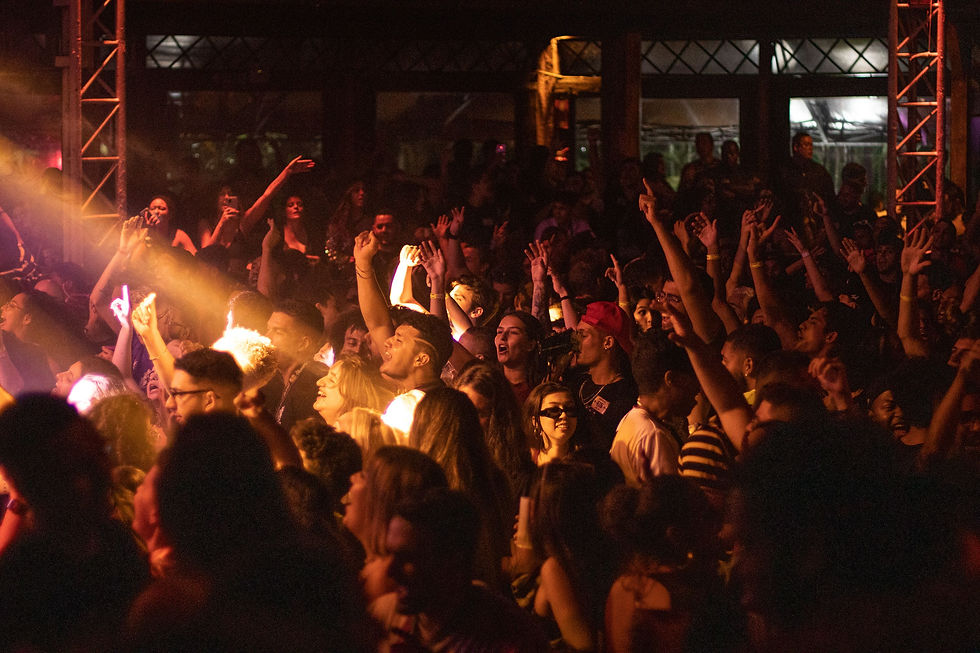
There was a time when "sold out" was kind of beautiful. It meant an artist put tickets on sale, real people like us bought all of them, and the room was going to be full of humans who wanted to be there as badly as you did. It was proof that the thing you loved, other people loved too. It was the receipt for a feeling.
When your favorite band said they sold out the room, you understood something had been earned, and that being inside it was going to feel like being part of something. That is the version of "sold out" we fell in love with. That is the version worth protecting.
The part they are hoping you do not notice
Here is what nobody hands you in the presale email. The building does not have to sell you all the seats at once.
Holds, presale tiers, VIP bundles, platinum seats priced off to the side, artist and promoter allocations, and the giant resale layer sitting on top of everything mean that the number of tickets actually available to a regular fan on a regular on-sale or even pre-sale is a sliver of the room. Sell that sliver and you get to run the headline.
"Sold out in minutes."
Of course it sold out in minutes. Only a few minutes of tickets ever went up. Then, funny thing, more inventory quietly reappears. Then a second night gets "added by popular demand," which is a polite way of saying the demand was always known and the scarcity was on a schedule. You refreshing at 10:00:04 and getting nothing was not bad luck, there was a point to it.
Why it works on us

We are not going to pretend we are immune. Scarcity is one of the oldest tricks there is, and it works because we are human. When something feels like it is running out, we want it more, we decide faster, and we pay more. "Sold out" is scarcity wearing its Sunday best. It tells the fans who missed out that they missed out, so next time they show up earlier, more anxious, and ready to overpay so it does not happen again.
The tactic is effective. That is exactly why it deserves a hot take instead of a shrug. We have let the most exciting two words in live music get pulled loose from the thing they used to describe, and we barely noticed it happen.
Who actually pays for the illusion
Two groups get stuck with the bill, and both of them are us.
The first is fans, obviously. When "sold out" is a staged event instead of a real one, you get funneled straight to resale and dynamic pricing, where the "unavailable" ticket magically reappears at three times face value. The scarcity that was manufactured on the front end becomes the gouge on the back end. You are not paying more because demand beat supply. You are paying more because the supply was rationed to make it look that way, and then handed back to you with a markup.
The second group is the artists we love, especially the smaller ones. This is the part that also gets us. When every single tour brags about selling out, the phrase stops telling you anything.
The independent act that genuinely packed a 300 capacity room through nothing but word of mouth and a set that wrecked everyone in it now sounds exactly like the arena tour that dropped 400 tickets on a Tuesday and called it a phenomenon.
A real, hard-won, honest sellout gets flattened into the same press template as a scheduled one. The artists who earned it the real way get no extra credit, because the word does not carry weight anymore.
What we want "sold out" to be again

We are not naive, and we are not asking the industry to become a charity. Some structure exists for real reasons, including keeping tickets out of the hands of bots and getting them to actual fans. That’s fine and we agree with that.
What we are asking is simple. Stop selling us a manufactured "sold out" as if it were a milestone when it’s a campaign.
Say "first night sold out, second added." Be straight about presale versus general. Let a genuine sellout stand apart from a scheduled one, so the band that did it the hard way gets the moment they deserve.
Because we can feel the difference even when we can’t name it. And the artists who packed the room the honest way, and the fans who would have given anything to be standing in it, both deserve a phrase that still means what it says.
"Sold out" should be a receipt again. Right now it’s just an ad, and we are the audience it was written for.
Enjoying SoundCheck Mag?
If this article resonates with you, consider joining us on this journey. Your support makes all the difference!

Excellent encapsulation of the 'revised' meaning and its implications to musicians, promoters and fans. I have long wondered if this was what was happening in music.