.png)
Search
Search this site
406 results found with an empty search
- Turn Two Turns Heads in New Jersey
The Legacy of East Coast Pop-Punk and Emo Lives On Turn Two band photographed | Photography by Steph Cincinnatti (IG: @ohiosteph3) Article Contributed by Konstantina Buhalis Turn Two, one of New Jersey’s latest bands, has been taking the Pop-Punk world by storm with their sound, melding the classic 2000s sound with modern touches. SoundCheck sat down with Shane Maziekien to talk about the formation of Turn Two, Third-Wave Emo, and how they developed their sound. Turn Two’s Entrance Turn Two was created out of a love of playing music. Shane Maziekien, formerly of With the Punches, was recording with lifelong friend Matt Flavaloro when, after developing an EP that faced internal struggles, He posted on Instagram asking if anyone was interested in joining their band. Maziekien explained that through his sister they soon gained a singer, saying, “At the time, my sister was dating a guy out in California who just so happened to be one of Mike [Hayden], our now singer's, good friends, and so he saw me post it. They forwarded the post to Mike, and was like, ‘Hey, this guy doesn't live that far away from you; he's my girlfriend's brother. If you wanted to do something again, you know, hit him up.’ And so Mike messaged me, and he messaged me a demo, which actually is the song "Nice Thing" that's on the newest EP; that song just came out last month. After recruiting Hayden, Mason Ingling joined as the bass player, and the band was complete. Mazieken went on to say that three out of the four members have previous experience playing in bands: “Mike used to play in a band called Talent Four with Pete, which was my sister's boyfriend; that's kind of the other band that, and I know Mason, Mason played more progressive metal kind of stuff. He toured for a long time in a band called In the Presence of Wolves, too. So the three of us have played in other bands. Matt's the only one who never really played in a band previously.” Up from the Underground Pop-Punk has evolved since the 2000s, moving away from the era of New Jersey bands that shaped the genre, as members now have unique experiences. While so much of the sound has changed, the passion for the genre has stayed the same. Mazieken explained that while their sound is influenced by the genre standards they grew up with, Turn Two draws on each member’s talents. While multi-genre influences shape the sonic architecture of Turn Two, the core is a desire to create music that reflects their collaborative spirit. Mazieken went on to explain how each member’s writing style is incorporated into the work, saying, “I think the coolest part is that we're trying to make something that is something that defines who we are as a group of people.” Continuing to say, “We have some stuff that leans a little bit more heavier to Matt's influence and some stuff that leans a little bit more heavier to Mike's influence, but I think, in the end, all the most like all the songs you can tell are a blend of all of us kind of like putting our heads together to say, hey, this is fast and fun, but we're going to make it catchy, and then we're going to give it a little bit of synthesizer to give that pop element to it, stuff like that, that can make the song our own.” As Pop-Punk and Emo changed and the rise of Fifth Wave Emo arises, Mazieken says. “People change, people evolve, and like young people also get influenced by different things, you know, like they're bringing in multiple, you know, different genres of music, maybe that we didn't have a lot of access to back in the early 2000s, so that's where some of that evolution of the music comes from.” Mazieken follows up saying, “I just appreciate all of the iterations of it. While you can definitely see an evolution, I really dislike that people have to pigeonhole it into, like, "oh, this is fifth wave" or ‘This is sixth wave’-that's, like, whatever to me. I am probably sounding like an old man, but it's evolving, but it's the same thing to me.” Music Video Mavens Turn Two’s music videos harken back to the early era of Fuse and MTV, and feature some interesting visuals, with their lead singer, Hayden acting as the director. Hayden takes inspiration from horror media, in particular, Stephen King, leading to one of their music videos, “Medicine” taking a gory turn with Mazieken saying, “We kind of just came up, came up with some concepts, like the medicine music video, that one, that song we released on Halloween. So we were like, Mike's done horror music videos, it's coming out on Halloween, we got to do something fun, and so Mike came up with that entire concept, and like we ended up, you know, draining our friend Steve's blood throughout that video, but it's, it's just, you know, we want to bring back like fun, I wanted to look fun, right?”. In the spirit of DIY, the music video for “Polaroid” was shot in a backyard and used a corkboard and green screen to create a montage of the band, with Turn Two working together to create another aspect of their art. August Releases Turn Two is planning to release their EP, Never Meant To Fit in August, with Maziken saying he’s excited, “I think it may be like some of my favorite music, like as just as a musician that I've ever put out.” Most recently, Turn Two released another single, “No Skips” with an accompanying music video on YouTube. They are also in the process of planning a tour in the upcoming months. Turn Two is available to stream on all platforms. Enjoying SoundCheck Mag? If this article resonates with you, consider joining us on this journey. Your support makes all the difference!
- Deon's "Feel the Same" Is the Quiet Math of Letting Go
Deon's new "Feel the Same," featuring Don Aaron, turns an amicable breakup into atmospheric indie-electronica and a study into identity. Deon and Don Aaron team up for the new single, "Feel the Same" | Single Artwork provided by THE BLACK EAST Article Contributed by Konstantina Buhalis. Singaporean singer-songwriter Deon released the third single, “Feel the Same,” from his upcoming record, Numbers Game. In collaboration with alternative R&B artist Don Aaron, the single is an emotional journey filled with electronic influences and indie sensibility. Orbiting Each Other Deon’s latest single, “Feel the Same,” is a downtempo indie track that maintains a dark and atmospheric sound, bringing the track’s themes of an ending relationship into focus. With the lyrics focusing on mutual agreement to end the relationship, there is recognition of feelings on both sides. Sonically, there is a hint of mid-2010s electro-indie that adds texture to the track, and Don Aaron’s R&B style, which hinges on pop as a foundation, meshing two styles that mirror the characters in Feel the Same. With its multi-genre influence, the track tells the story of individuals who exist and orbit each other through the ebb and flow of sound. Feel the Same is, at its core, about identity, and the single explores that theme through two unique artists who navigate their respective genres and build a story together. Playing the Numbers Game Numbers Game, the new upcoming release from Deon, is influenced by statistics and performance metrics of artistry. “Feel the Same” is an extension of the anxiety over performance, and the daily show we put on for ourselves and others. Deon’s voice, mixed with the layered sounds, gives the impression of racing thoughts and speaking over each other. Overall, the single is an excellent example of sonic storytelling. “Feel the Same” is available to listen to on all streaming platforms. Enjoying SoundCheck Mag? If this article resonates with you, consider joining us on this journey. Your support makes all the difference!
- Jazzy and Chris Lorenzo Make “Invisible” Impossible to Ignore
The talented vocalist and DJ, Jazzy, teamed up with Chris Lorenzo to create a song full of life that is worthy of replay. Jazzy poses for the cover of her album artwork | Album Artwork supplied by UMG. Article Contributed by Monica Soriano. It isn’t surprising that fans often rave about Jazzy’s music. Her execution of the dance-pop and house genres, along with other inspirations, plays a big role in the artist she is today. She is an all-around artist - a singer, DJ, songwriter, and producer. A Collaboration We Didn’t Know We Needed “Invisible” is a song that will be on repeat. Upon first listen, we felt a wave of energy fill our eardrums. Immediately, we knew this song was something we would be adding to our playlist. Jazzy and Chris Lorenzo created an appealing contrast between the lyrics, which seem to be calling someone out on an unlikable behavior, and the freshness of the music that accompanies it. It becomes addicting, in the best possible way. A Music Video Perfectly On Theme The music video for “Invisible” is perfectly in alignment with the song, the vibe, and Jazzy herself. Jazzy has a modern approach to her visuals, but at the same time, they can feel vintage; it is a balance she has mastered. This video is just that - the premise is simple, and the shots are visually eye-catching. It starts off with her in a room full of invisible faces, all but one - the person whom the song is presumed to be directed towards. In the end, the people have faces again and dance in the rain while the woman who once had a face is now invisible herself. There are performance clips in between, rather simple but very much worth watching visually. Upcoming Album & Current Tour Jazzy recently announced that on October 23, 2026, she will be releasing her debut studio album ‘Peace & Patience’. In a recent post she stated “This album represents my personal love story with music, my journey through my career, an ode to home.” It only makes us more excited to follow her journey. Jazzy poses for the cover of her album artwork | Photography supplied by UMG. Currently, Jazzy is on tour until the end of the year. She has stops across Europe and the United States. We will be looking out for her album and we wish Jazzy and Chris Lorenzo much success on “Invisible.” Enjoying SoundCheck Mag? If this article resonates with you, consider joining us on this journey. Your support makes all the difference!
- Savage Hands Releases “It’s Me” Detailing the Agonizing Loop of Pushing People Away Because You’re Running From Yourself
Pushing themselves to new heights following the move to Oxide Records, Savage Hands are preparing to release a new album and set out on a summer tour. Without losing touch with their hard rock roots, the Maryland band have dropped a gut-wrenching new single, "It's Me,” compelling enough to hook even the non-metal fans. Article Contributed by Brooke Dougherty Photography by William George The song begins fast-paced, and almost uneasy as if you are trying to outrun your shadows and the sun is beginning to set. Accompanied by stripped-down instrumentation, Mike Garrow sings about someone who is cruelly aware of the worst parts of themselves that keep bubbling up to the surface. The side of themselves that takes anything good and destroys it. “Try to hide the demons. Try to kick the habit. But it comes back screaming. Like it’s automatic. I take the rain. Turn it to ashes. I hate the flame. Then I light the matches.” The song details a person caught between addiction, their darkest impulses, and the terrifying fear of destroying what they have with the person they love. The song encapsulates the feeling of believing you are undeserving of someone willing to love you through your lowest moments, and becoming fixated with the idea that the other person would be better off without you. “But ooh. That forever stay and fight. In your eyes. Ooh. Is the look that I just can’t find. In mine.” All of a sudden, the drums crash into the scene like a man wrestling with the demons in his head. The chorus is chock-full of anguished desperation and the explosion of energy feels like the narrator losing control. It details someone trying to escape themselves and the downward-spiral thought pattern that leads someone to think the only thing they can do to protect the person they love is to leave. “It’s not you. You tame the devil. Rip right through like holy metal. It’s not you I’m scared to death of. Breaking loose. It’s not you, it’s me. Running, running free." The volatility is palpable as Garrow delivers a catchy chorus accompanied by pummeling riffs and relentless drums. This song feels like being at rock bottom. The inability to see clearly in the moment and just wanting to hide away from your own reflection. “You’re the only reason. I evade the poison. But I’m at my weakest. And the only choice is. Finding the vein. Taking the vial. Numbing the pain. For your survival.” With “It’s Me,” it’s clear that Savage Hands have settled into their sound, continuing to blur the lines between metalcore, alternative rock, and post-hardcore music. The single retains the heavy riffs and headbanging intensity of their roots while leaning into a vulnerable, hook-driven sound that could easily reach beyond traditional metal audiences. “It’s Me” captures the warped logic of hitting rock bottom, the ugly underbelly of addiction, and the self-sabotage that comes with believing you will inevitably hurt the person you love the most. Enjoying SoundCheck Mag? If this article resonates with you, consider joining us on this journey. Your support makes all the difference!
- Devon Again Embraces Grungy Aesthetics on Snake the Drain
Analog Antics fill the screen in the new music video Photo: Max Christiansen Devon Again Introduces Herself to the World Devon Again, the stage name of the rising country-pop artist Devon Johanningmeier, has hit the world stage after a 2020 TikTok video in which she freestyled over a polka beat and went viral. From there, label meetings became routine, and she eventually met with Cameron Hale, who helped produce Johanningmeier’s first hit, Suburbia. Now, four years later, Johanningmeier is supporting Olivia Rodrigo on tour and has released her latest music video, “Snake the Drain”, a fun grunge-tinted romp through the daily lives of some small-town characters. The Value of a Dollar Directed by Kaylin Duffy and published June 5, 2026, Love Don’t Snake the Drain” already has 148,524 views and over a thousand likes. The music video is highly stylized, following the money Devon Again earns from a scratcher as it is written on, ripped up, stepped on, used to ash a cigarette, and more. The song’s theme of words and actions not matching up is backed by visuals of different people finding loose money and their reactions, including an attempted robbery. The music video is fun, with a VHS-like color tone and pixelated look, giving it an analog feel with DIY roots. The track itself is a fun, upbeat country-pop song with tongue-in-cheek lyrics like “Words don’t make me come..home to the dishes done”. The slightly sexual undertones give the music video and the track a youthful feel, ending with a mud pit where the cast is covered in dirt and singing together, and a couple embraces. There is tenderness that runs through the video, as the track asks for more from their partner. Devon Again is available to stream on all platforms, with tickets to see her and Olivia Rodrigo now on sale. Enjoying SoundCheck Mag? If this article resonates with you, consider joining us on this journey. Your support makes all the difference!
- Underground Radar Feature - Liam Brock: As Real As It Gets
The Northeast Ohio songwriter, Liam Brock, on community, the live setting, and his most personal work yet. Liam Brock poses for SoundCheck Mag's Underground Radar | Photography by Madison Cozzens (@coz_artphoto) Article Contributed by Madison Cozzens “It’s hard to beat a live setting, you know. I think words said face to face are always more impactful.” A Calling From Behind the Kit Producer, singer, songwriter, performer; Liam Brock does it all. Starting as a drummer in the punk scene at the age of 14, Liam knew that the music scene was where he wanted to be. There was something about performing live with other people that felt like a calling and he ran with it. Releasing his first debut EP, Scorched in 2022, Liam has slowly gathered a loyal following in Northeast Ohio. It Takes a Village For Liam, growing up in a small town with a small music scene has proved to be something special. “...everyone’s super stoked to see what you’re working on. And it’s really rare to see creative projects come out of that space, so when they do the community really puts themselves behind it.” That sense of community has been a strong back bone for Brock through his music career. The creative community across the Cleveland/Akron area shows up for each other, whether it be other bands, artists, photographers or anyone in between. “Everyone understands that we’re in it together and it takes a village.” An Infectious Feeling Liam Brock poses for a portrait for SoundCheck Mag's Underground Radar | Photography by LJ Portnoy (@ljportnoy) It’s not just the creative community that supports him, but his loyal and growing fan base as well. Liam’s core audience comes from the people who have been in his corner from the beginning. “I think having people like that in an audience, that’s just an infectious thing to be around…. that’s an easy thing to jump onto and an easy feeling of support.” As Liam expands his reach attending different venues and playing with other bands, he’s felt that sense of care and community has follow him. For Liam the value of playing his music live and making those in-person connections is undeniable. “It’s still mindblowing when there’s a person that I don’t know telling me that my songs mean something to them. Like that’s what you do it for. You can’t replicate that feeling.” Liam Brock's Goes Deeper And we have only gotten a taste of the artistry Liam is truly capable of. Liam Brock poses for SoundCheck Mag's Underground Radar | Photography by Madison Cozzens (@coz_artphoto) The songwriter has been working on an EP for the last year and cannot wait to share it with the world. “I just love these songs that I’ve been working on….I love showing people these songs and I’m so excited for when they’re out and I can send a link instead of having to send a wave file.” Brock defined the new EP as a “deeper departure” from is first. For Brock, Scorched acted as a way for him to figure out who he was as a musician. Learning how to create and produce music on his own. “...a lot of the songs that came before Overstepping was just me trying to get my bearings and trying to make songs that are songs first.” With that out of the way, he can now use the confidence in his songwriting ability to throw himself into projects. “I can really identify with it and relate to it on a deeper level than songs in the past….I think trust and trust in your own taste is just the most valuable thing to have as a creative.” This new EP is departing from Scorched in the direction that is more true to himself. For Liam, these new releases will be the most personal and representative work he’s put out yet and we can’t wait to hear it. The Outside Liam Brock poses for SoundCheck Mag's Underground Radar | Photography by Madison Cozzens (@coz_artphoto) The first single from Liam’s upcoming seven song EP, The Outside, is scheduled to be released sometime in July, but we wanted to hear his other hopes and plans for the future. His main focus right now, other than releasing his new music is to focus on playing more gigs. “I think that live setting is what’s most valuable to me right now. With AI and how disingenuous things have felt in the creative space lately. I think live show is so in your face and as real as it gets. I think those live shows are only getting more valuable.” Enjoying SoundCheck Mag? If this article resonates with you, consider joining us on this journey. Your support makes all the difference!
- Hot Take: Digital Tickets Didn't Have to Kill the Concert Souvenir
Convenience and nostalgia don't have to be mutually exclusive. Photography by Patrick: https://www.pexels.com/photo/tickets-text-on-yellow-wall-17527817/ Article Contributed by Ilana Bornstein & Rebecca McDevitt The Memory We Didn't Know We'd Lose The live music industry didn't just switch to digital tickets. It quietly took away one of the most meaningful traditions of going to a concert. Today, buying a ticket usually means downloading an app, logging in, and pulling up a barcode at the venue. It's convenient, fast, and helps reduce fraud and counterfeit tickets. Those are all good things. But why did convenience have to come at the expense of choice? For decades, a concert ticket wasn't just your way through the gate. It became part of the memory. Fans tucked ticket stubs into scrapbooks, framed them with photos, or rediscovered them years later in a drawer and were instantly transported back to that night. Now, that memory lives inside an app that could disappear with your next phone upgrade. Did Digital Ticketing Deliver? One of the biggest reasons the industry embraced digital ticketing was security. Mobile tickets were supposed to make counterfeiting more difficult, reduce fraud, and help combat scalpers. On paper, it sounded like a win for everyone. Photo by Daniel Nouri: https://www.pexels.com/photo/people-having-fun-at-the-concert-8448535/ While digital ticketing has made fake tickets harder to create, many fans would argue it hasn't solved the frustrations they were promised it would. Major tours still sell out in minutes, sometimes before the general public even has a chance to buy tickets. Presales disappear almost instantly, only for many of those same seats to reappear on resale marketplaces at significantly higher prices. The result is that many fans feel they're facing the same uphill battle they did before, except now they've also lost one of the most iconic souvenirs of the concert experience. If fans were asked to trade a physical keepsake for a better ticket-buying experience, it's fair to ask whether that tradeoff has fully delivered on its promise. Hot Take: It Never Had to Be Either Or The strange part is that this never had to be an all-or-nothing decision. Keep digital tickets; they're efficient, secure, and make transferring tickets easier. But give fans the option to choose a physical ticket if that's what they want. Whether it's mailed before the show, printed at the box office, or offered as a commemorative keepsake during checkout, the technology already exists. Imagine seeing one simple option before you complete your purchase: ☐ Mobile Entry ☐ Printed Ticket Some fans will always choose the convenience of their phone. Others would gladly keep a ticket stub they'll look back on for decades. Fans Still Value Something Tangible Photo by Huu Huynh: https://www.pexels.com/photo/top-view-of-the-hands-holdings-tickets-22863008/ The live music industry already understands that fans cherish physical keepsakes. We buy tour posters, collect vinyl records, frame setlists, and spend money on limited edition merchandise because holding onto a piece of an unforgettable night matters. Physical credentials haven't disappeared entirely, either. Media members, artists' guests, and VIP attendees often receive printed credentials or hard passes. The ability to create tangible admission materials still exists. The average paying fan has simply lost access to that option. Give Fans the Choice Technology should expand our options, not limit them. No one is asking the industry to abandon digital ticketing. Mobile entry has made concerts more efficient in countless ways, and it's here to stay. But progress shouldn't mean leaving traditions behind. Give fans the choice to go digital or physical. Let the people who want a printed ticket have one. Because when the lights come up and the music fades, some memories deserve more than a barcode. Enjoying SoundCheck Mag? If this article resonates with you, consider joining us on this journey. Your support makes all the difference!
- Home Is Where the Music Is: Modest Mouse Returns to Seattle
The Issaquah rock icons celebrated their Pacific Northwest roots with deep cuts, new music, and a heartfelt hometown performance at the 5th Avenue Theatre. Article & Photos by Vaneza Gutiérrez Wyckoff Modest Mouse performing at 5th Avenue Theatre in Seattle, WA. Photography by Vaneza Gutiérrez Wyckoff (@vanezasnaps on IG). There’s always something almost tangibly different about a homecoming show. Hailing from the Pacific Northwest, Modest Mouse proved exactly why during the first night of their two-night residency at Seattle’s 5th Avenue Theatre on July 11. Returning to familiar ground, the Issaquah natives delivered a set that felt less like a greatest hits concert and more like an evening shared with longtime friends who knew every corner of their catalog. Opening the night was Mattress, whose performance felt like stumbling into an eccentric late-night open mic in the very best way. Draped in a shimmering gold sequin cape and matching loafers, the Portland-based performer immediately embraced the theatrical atmosphere, balancing quirky humor with genuine charisma. Between songs, he reminded the audience that they were part of the performance rather than passive observers, encouraging participation that transformed the room into something far more intimate than a traditional opening set. Musically, Mattress blended deadpan storytelling with an unmistakably retro palette. His vocals occasionally evoked the conversational style of Flight of the Conchords, while shimmering synthesizers and '80s-inspired chord progressions gave each song an offbeat, nostalgic charm. It was unconventional, undeniably entertaining, and the perfect warm-up for a crowd about to witness one of the Northwest's most beloved bands return home. Mattress performing at 5th Avenue Theatre in Seattle, WA. Photography by Vaneza Gutiérrez Wyckoff (@vanezasnaps on IG). As the lights dimmed for Modest Mouse, anticipation gave way to roaring applause before the opening notes of "King Rat" erupted through the historic theater. While many artists lean heavily on familiar radio staples during hometown performances, Modest Mouse took a different approach. The setlist rewarded devoted fans with a healthy collection of deep cuts while still weaving in beloved classics like "Ocean Breathes Salty." The result was a carefully balanced journey through the band's decades-long career, showcasing both where they've been and where they're headed. The evening also offered a glimpse into the band's evolution through today with selections from their recently released album, An Eraser And A Maze. Rather than dominating the set, however, the new material complemented a performance built largely around songs from earlier albums and EPs. Roughly two-thirds of the night's set celebrated the band's expansive back catalog, a choice that clearly resonated with an audience eager to revisit the music that first connected them to Modest Mouse. Modest Mouse performing at 5th Avenue Theatre in Seattle, WA. Photography by Vaneza Gutiérrez Wyckoff (@vanezasnaps on IG). Despite the elegant seated setting of the 5th Avenue Theatre, the audience rarely remained seated for long. Fans rose to their feet throughout the night, dancing in the aisles, waving their hands overhead, and singing along as though they were packed into a standing-room-only club. It served as another reminder that the energy of a rock show isn't defined by the venue itself but by the connection between the performers and the people in front of them. The production elevated that connection even further. Brilliant beams of blue, cyan, and golden light stretched across the stage like constellations suspended above the band, creating an almost celestial backdrop during quieter moments. As songs grew more urgent and emotionally charged, the lighting shifted into rich reds that amplified the intensity without ever overwhelming the music. It was a thoughtful visual design that complemented the band's constantly shifting sonic landscape, from introspective folk-inspired passages to explosive bursts of grunge-infused rock. One of the evening's most memorable moments came with Modest Mouse's heartfelt cover of The Cure's "A Forest." The haunting post-punk classic found new life through the band's distinctive style while retaining the hypnotic groove that has made it a fan favorite for decades. The audience eagerly embraced the surprise, trading gentle swaying for enthusiastic dancing as the familiar melody echoed through the theater. Modest Mouse performing at 5th Avenue Theatre in Seattle, WA. Photography by Vaneza Gutiérrez Wyckoff (@vanezasnaps on IG). For a band more than three decades into its career, Modest Mouse showed no signs of relying solely on nostalgia. Their hometown performance celebrated the songs that built their legacy while confidently introducing the next chapter. It was equal parts reunion, reflection, and renewal, proving that coming home isn't simply about revisiting the past. Sometimes it's about reminding everyone, hometown included, that there's still plenty left to say. Enjoying SoundCheck Mag? If this article resonates with you, consider joining us on this journey. Your support makes all the difference!
- Sam Smith Is Our Relationship Goals with New Single, “My Guy”
Sam Smith’s long-awaited return was worth the wait on “My Guy” Photo: Collier Schorr Article Contributed by Konstantina Buhalis Soul on the Radio Sam Smith is back with his return single after his 2023 release “Unholy” featuring Kim Petras from the album Gloria, and he’s taking us back to the start with “My Guy”. Over the last three years, Smith has been writing and recording his latest release, Hazel Eyes; his long-awaited return is met with great anticipation as fans dig into the new single. Smith debuted the single on Later…With Jools Holland and kicked off New York City Pride on June 25, 2026, at the Stonewall National Monument Visitor Center. Smith has also been enjoying a residency at San Francisco’s Castro Theatre with surprise guests including Hozier, Ed Sheeran, Brandi Carlile, SIENNA SPIRO, and Kim Petras. Smith will continue hosting legacies as he travels to Mexico City at Auditorio Nacional, ahead of the release of Hazel Eyes. My Guy is Revolutionary The new Sam Smith single is, above all else, a masterpiece of writing; the tender lyricism of waiting for the right man is expressed through Smith’s lush vocals and soulful arrangements. The down-tempo ballad is reminiscent of the Motown hit of the same name by Mary Wells, and reframes the track as an expression of queer joy. My Guy follows the formula that Smith has continually used in his work, with a choir as backing vocals as the music swells and we hear the power in his voice. The vulnerability on the track is a hallmark of Smith’s writing, and the gentle confirmation of his love is a stellar combination with the steady drumbeat keeping the track’s pulse alive. While the track has a minimalist approach, it allows the listener to embrace the lyrics. Its romance is undeniable and has the potential to be the next big wedding song. My Guy is available to stream on all platforms, and Hazel Eyes is set for release on August 21, 2026, with additional global live dates to be announced. Enjoying SoundCheck Mag? If this article resonates with you, consider joining us on this journey. Your support makes all the difference!
- Olivia Rodrigo Trades Teenage Heartbreak for Adult Vulnerability: Album Review of “you seem so sad for a girl so in love” by Olivia Rodrigo
The pop star's most nuanced record yet finds beauty in the contradictions of devotion, anxiety, and growing up. Article Contributed by Shyanne Vaden Album cover for “you seem so sad for a girl so in love” by Olivia Rodrigo Renowned pop star Olivia Rodrigo’s highly anticipated third studio album “you seem so sad for a girl so in love” was released on June 12, and has already taken not only her fans, social media but the world by storm. From her stepping on the scene with “Sour” in 2021, to her giving us a taste of Avril Lavigne like rock in “Guts,” to now, the gutwrenching, romantic and transcendent album today, which is not reminding us that Olivia has grown into a full fledged adult in front of ours eyes and through our ears. “Drop dead” and “honeybee” within days of their release became Tiktok trends songs of the summer, making women all around the show their own partners they also stalked on the internet, due to feminine intuition. The album charted number one all of the over in 22 countries. The album is reminiscent of 80s synth, with mixing of her original sound, pop punk, and even post-punk sonics. Olivia called her “her most experimental album yet,” which you can tell by the tone of her songs that are super reminiscent of 80s synth rock and shoegaze. Experimental standouts for me is “my way,” this song is definitely not typical for Rodrigo’s style however she pulls it off flawlessly. “Purple” sent chills through my body. As someone who is a big fan of dream pop and I feel like we are truly in a pandemic of it at the moment, she really blended her voice, her sound with it. The meaning of the song is truly showstopping for me, as she uses metaphors of colors on how the beginning of relationships are always bright and colorful but when you mix them together, it will always turn black. My favorite experimental standout as a massive folk fan, was “begged.” Her voice on the folk-like chords was extremely unusual for pop girl Rodrigo, but it was magic. I selfishly hope she does more folk-like songs going forward. Her voice was powerful, strong yet vulnerable. It was truly a standout for me that I will be listening to for the rest of the summer. Olivia Rodrigo’s alternate album cover for “you seem pretty sad for a girl so in love” Although the most popular songs like “drop dead” and “honeybee” are about falling in love and staying there, “maggots for brains” also highlights the dark and obsessive parts of falling for someone initially and it is my favorite on the new standout album. How something takes over your body and you are no longer acting like yourself, Olivia sings “I'm a zombie in my body, I'm a train off of the track / I feel dirty, I feel rotten, and the colors are all flat / I'm a sad shell of a woman and I've got maggots for brains / But that's just the thing that happens when my / When my baby goes away.” This song made me feel eerily targeted. The attachment issues, the emotion, feeling like a shell of a woman but checking yourself because you sound like you have maggots for brains. They’re rarely songs talking about the seemingly desperate moments of being in love, the dopamine crash of it all and then the weird feeling you get about feeling guilty and useless for feeling that way, but “maggots for brains” really hits that nuanced and complex emotion. Olivia Rodrigo’s entire album is a story of coming of age with romantic relationships. She is no longer 18 years old anymore, and she makes that incredibly clear on “you seem so sad for a girl so in love.” Olivia Rodrigo is entering a new chapter. She is less concerned with the heartbreak and more interested in the emotional contradictions that we learn as we come into young adulthood, complications with being deeply loved and loving deeply. Rather than painting romance as a cure-all, she explores the anxieties and self-doubt that can exist even in healthy relationships. Blending her lyricism with her signature mix of soaring pop-rock and experimental genres, Rodrigo shares what feels like her most emotionally mature and introspective project to date. It's a record that doesn't offer easy answers, but that's precisely what love offers. Enjoying SoundCheck Mag? If this article resonates with you, consider joining us on this journey. Your support makes all the difference!
- supermodel* Continues To Show His Artistry Through “adidas”
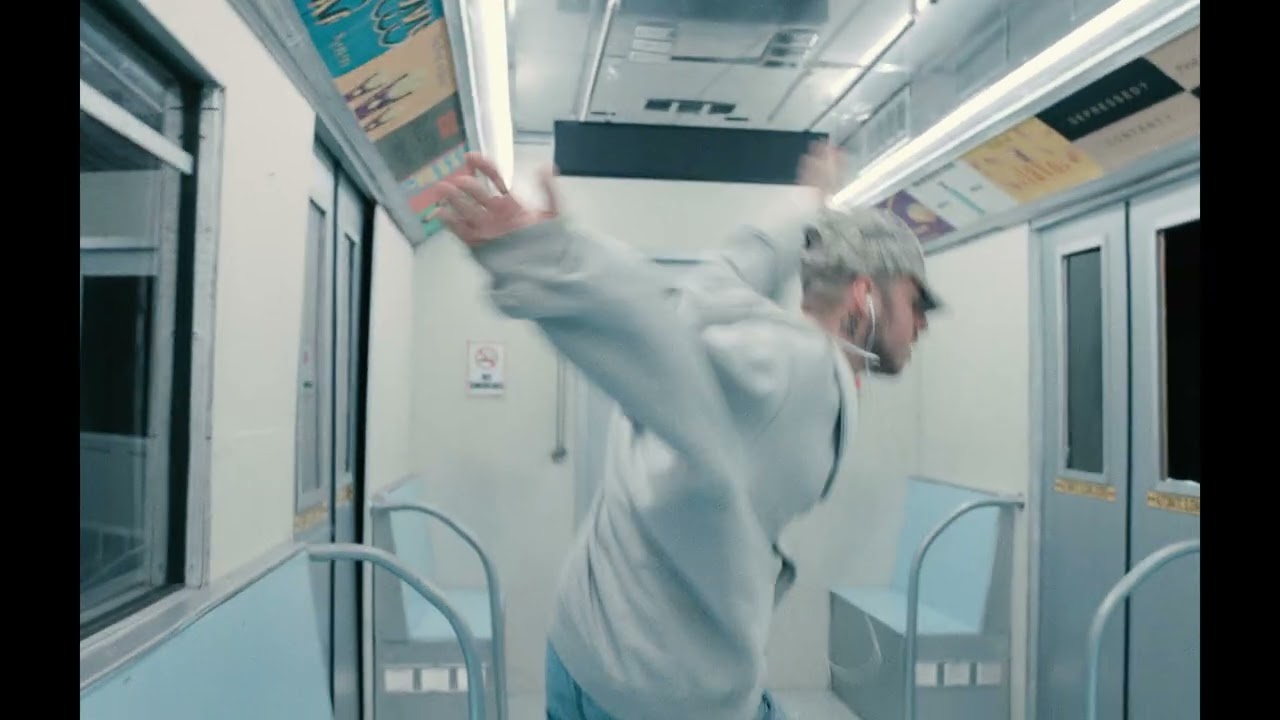
He experiments with genres, creates songs that resonate and pours out attention grabbing visuals. Article Contributed by Monica Soriano Photography by Ashley Grey The artist known as supermodel* has released “adidas”, a genre blending track written and co-produced by Frankie Beanie also known as supermodel* himself. The pop infused tune is accompanied by a simple music video that perfectly aligns with supermodel*’s previous ones in which visually, he is the center. The more we listened to it, the more we liked it While some of his other songs like “cherry garcia” are easier to grasp at a first listen, there is something about “adidas” that remains memorable. Towards the middle of the track the blending of sounds initially caught us off guard but it didn’t turn us away. In just under 2 minutes, supermodel* managed to make a track that showcases his own artistry. The more we listened to it, the more we felt the vibe and its charisma coat our ears. It became a track that we understood and enjoyed. His voice allowed us to, like the song says, “just to let go”. A vision and direction that is impressive Visually, supermodel*’s music videos are simple and budget conscious but with a vision and direction that is impressive. He tends to include himself dancing in his videos and/or either singing directly to the camera. It is no surprise to see the credits of his videos and find that they were directed by supermodel* himself. For the “adidas” music video, the camera follows him from the subway station where he sits seemingly bummed out to the train where he is loosely dancing. It is simple but the change in mood aligns perfectly with his change in scenery, starting off sad or depressed while sitting on a dirty floor surrounded by stained walls to his mood picking up, dancing more intensely and ending up in a pristine subway train. Overall, “adidas” is a catchy tune that can stand on its own or can inspire some remixes. Beanie seems to experiment with his music but at the same time has a clear direction of who supermodel* is. We look forward to seeing his creativity grow musically and visually. Enjoying SoundCheck Mag? If this article resonates with you, consider joining us on this journey. Your support makes all the difference!
- Hot Take: Fans Shouldn't Have to Pay to Meet a Human Being
As VIP culture continues to grow, fans are asking a simple question: when did human connection become a premium add-on? Photo of Allstar Weekend and LJ Portnoy (co-founder) after their show in Pontiac, MI, from around 2015. Article Contributed by Rebecca McDevitt. Before anyone comes for us, let's get one thing out of the way: we get it. Touring is expensive. Gas is expensive. Hotels are expensive. Crew members deserve to be paid. Artists deserve to make a living. In an era where streaming pays fractions of a cent per play and album sales aren't what they once were, VIP packages have become an important source of revenue for many tours. We're not arguing that artists shouldn't make money. What we're questioning is how we got to a place where paying to meet another human being became completely normal. Somewhere along the way, access stopped being a possibility and started becoming a product. When Access Wasn't a Luxury For many fans, there was a time when meeting an artist wasn't something that required a credit card and a special wristband. It wasn't guaranteed, but it also wasn't locked behind a premium package. Artists sold merch. They walked around the festival grounds. They hung around after shows. Fans and musicians often occupied the same spaces, connected by a shared love of music rather than separated by multiple tiers of access. Pierre Bouvier and Rebecca McDevitt (co-founder of SoundCheck Mag) from 2015 at Warped Tour. Think about the culture that existed around Warped Tour. Part of the magic wasn't just seeing your favorite bands perform. It was the possibility that you might run into them grabbing food, hanging out at their merch tent, or watching another band's set. Those interactions weren't manufactured. They weren't scheduled. They weren't monetized. They happened because artists and fans were part of the same community. The Rise of VIP Culture Today's concert experience often feels very different. Want early entry? There's a package for that. Want a photo? There's a package for that. Want a quick conversation? There's probably a package for that too. Again, we're not saying artists shouldn't be compensated. But there is a difference between paying for an experience and paying for access to a person. The more VIP culture expands, the more it raises a difficult question: at what point does fandom become less about connection and more about purchasing power.? Music has always involved transactions. Fans buy tickets, records, merch, subscriptions, and collectibles because they want to support the artists they love. That's nothing new. What feels new is the idea that the relationship itself has become part of the merchandise table. When Connection Becomes a Commodity The reality is that not every fan can afford an extra $200, $500, or even $1,000 on top of a concert ticket. Yet those fans may be just as passionate, just as loyal, and just as invested as the people standing in the VIP line. When access is determined by disposable income, fandom begins to feel less like a community and more like a membership club with different levels of benefits. And maybe that's why this conversation strikes such a nerve. Because most fans aren't paying for a photo. They're paying for acknowledgement. They're paying for a moment of connection with someone whose music helped them through heartbreak, grief, loneliness, joy, or growth. The photo is simply proof that the moment happened. What Are We Losing? Left to Right: Fernando Flores (Live Music Contributor), David Archuleta, and Rebecca McDevitt (Co-Founder) During the My Only Wish Tour in New York City, NY. VIP experiences may have solved a financial challenge within the music industry. But they may have also created a cultural one. As access becomes increasingly tied to a price tag, it's worth asking whether we've lost something that once made live music feel special. Because some of the most meaningful moments in music weren't purchased but just happened. Enjoying SoundCheck Mag? If this article resonates with you, consider joining us on this journey. Your support makes all the difference!
- Franklin Jonas & The Byzantines: The Rubble, the Rise, and the First of Many
Franklin Jonas performing in Hanover, MD. | Photography by Rebecca McDevitt (IG: @rebeccajeanlimitedphotography) Article, Interview, & Photos by LJ Portnoy & Rebecca McDevitt Franklin Jonas has been doing the work quietly, and the proof is in the rooms. Over the last few years, he and The Byzantines have grown from an exciting new project into one of the most talked-about rising acts in the Americana space, one believer at a time. Busking outside venues on the Greetings From Your Hometown tour. Sharing stages with Hunter Hayes, Boys Like Girls, and All-American Rejects. None of it was handed to him. All of it is still being earned. But if you want to understand Franklin Jonas, the milestones are only part of the story. He does his best work in the space between two feelings. High and sad, devastate and celebrate, feeling good and feeling bad. To Franklin, that's not a contradiction. That's the whole point. No finish line, no final answer, and no interest in either. That's where he writes from, and that's where the music lives. Franklin Jonas & The Byzantines | Photography by Rebecca McDevitt (IG: @rebeccajeanlimitedphotography) We met up with him in Hanover, Maryland, ahead of his dual sets and asked him to describe Franklin Jonas today. "I think I'm still figuring it out. I'm still trying to figure it out all the time. I hope I never know for certain because I like the process of figuring it out." Most people spend a lifetime trying to arrive. Franklin would rather keep going. The man doing the figuring out is the story. And we've only just met him. Looking for Himself in "Village Liquors" "Village Liquors" is packed with references that reward a closer look. The opening image: August Belmont turning in his grave, a Playboy lighter with his name engraved. It has the ring of old money, some long-dead patrician. But the grandeur is a misdirection. The truth is much more personal. The Belmont here is Belmont University, and Belmont, NC, where his dad runs Nellie's Southern Kitchen. The song is really about coming home: his college years, the kid he was, every expectation of who he was supposed to become. Those are the ghosts turning in the grave. The Playboy lighter is that kid, a little rebellious, a little reckless, still figuring himself out. Franklin Jonas performing in Hanover, MD. | Photography by Rebecca McDevitt (IG: @rebeccajeanlimitedphotography) Then there's the word almost nobody has asked him about: "Recreance." An archaic term for cowardice or surrender, all but extinct since 1870, lifted from Brandon Sanderson's The Way of Kings. Franklin was reading it during a pivotal stretch of his life, and a character's journey resonated enough that the word found its way into the song. "I've been waiting for somebody to ask me about this word. Nobody has," he told us, lighting up. The line says it plainly: Recreance, it taught me how to care. A word for giving up, repurposed to name the very thing that taught him to feel. Franklin Jonas performing in Hanover, MD. | Photography by Rebecca McDevitt (IG: @rebeccajeanlimitedphotography) That detail is Franklin. The more time you spend with the music, the more layers turn up. At the center sits a line that may be the closest thing to a mission statement: "I'll be looking for myself my whole life." He doesn't fear that. He's made peace with never fully knowing himself, surrounded now by people who give him the grace to mess up. Videography by LJ Portnoy "Road Soda" and the Beauty of Being Human One lyric from "Road Soda" always gets a reaction: "Nothing I love more than hating my life." Franklin laughed when we brought it up. The chorus came together on a rare day off during tour, while he was processing how overwhelming life had gotten. He sent the idea to his guitarist Tim, who got back to him fast. "It might be my favorite line you've ever written," Tim told him. Tim Bruns of The Byzantines performing in Hanover, MD | Photography by Rebecca McDevitt (IG: @rebeccjeanlimitedphotography) "My friends believe in me, and that makes me feel so good," Franklin said, smiling at the memory. Like much of his writing, "Road Soda" balances humor with honesty, digging into sobriety on the road and the tension between celebration and self-destruction. "If I am to celebrate, I will devastate," he says with a grin. It cuts to the song's core conflict: knowing he'll always try to mess up the good moments, and being grateful he gets to keep messing up anyway. Astrology, Mythology, and "High and Sad" If you've ever wondered whether the astrological references in "High and Sad" were intentional, the answer is yes. Very intentional. "I am an astrology nerd. I'm deep in it," Franklin told us. He's a Libra Sun, Libra Moon, and Aquarius Rising, with that Aquarius Rising placement directly inspiring one of the song's lyrics. Franklin Jonas & The Byzantines performing at Sports and Social in Hanover, MD | Photography by Rebecca McDevitt (IG: @rebeccajeanlimitedphotography) From there it opened into the larger world he's building through The Byzantines, a blend of Appalachian folklore, mythology, cyberpunk, and modern storytelling. Personal enough to feel like his, open enough for listeners to find themselves in it. The song itself came from a period when he realized the ways he was coping were numbing his emotions and his experiences both. "High and Sad" became a way of confronting that, a conversation with someone on the other side he never quite named, though we think it might have been August Belmont all along. Franklin Jonas | Photography by LJ Portnoy (IG: @ljportnoy) When we sat down, he was high off the news of a re-release: "High and Sad" as a feature with the one and only Noah Cyrus. The glow in his eyes when he talks about Cyrus tells you the friendship runs deep, recently sealed with matching tattoos. The collaboration is out now on all streaming platforms. Videography by LJ Portnoy Revisiting "Hoboken" Longtime listeners were thrilled when Franklin recently revisited "Hoboken," a fan favorite from the Sewer Rat era. Written for his girlfriend Anna, it was one of the first meaningful gifts he gave her through music. "Hoboken to me was love." At its core, it's about finding safety in another person, a sense of home, themes that still echo through The Byzantines' music. The revival grew out of a tradition from the Greetings From Your Hometown tour: outdoor, a capella sets where they'd cover a different song in every city, something with local meaning, results ranging from incredible to disastrous. Building The Byzantines The Byzantines came together the way the best bands do. Through friendship, and a little chaos. Aidan ran the mix on one of Franklin's songs, Tim on guitar. That is how Franklin knew them. So when the call came to play Jonas Con, half the lineup picked itself. Tim on guitar, no question. A banjo player, less obvious. Franklin asked around, someone pointed him to Aidan, and Aidan signed up on the spot. Franklin Jonas, Tim Bruns, & Aidan Harbeson performing at The Hall! At Live in Hanover, MD | Photography by Rebecca McDevitt (IG: @rebeccajeanlimitedphotography) He just left out one detail. He didn't play the banjo. Yet. What he did next is the part that never gets old. Seven days locked in a closet, doing nothing but learning, his wife leaving food at the door. He kept the whole thing a secret for nearly a year and a half, and it only just surfaced. Listen to him now and you'd never guess. The precision, the plucking, all of it lands like a maestro who's been at it for decades. Tim fills out the rest, harmonies and guitar wrapping the sound until it feels whole. Then there's Ben and Nick, the newest additions, already so woven in you'd think they'd been here since the first chord, blending out a magnitude on drums, upright bass, and horns. Franklin spoke warmly about Tim, Aidan, Nick, Ben, and even his TO and audio engineer, Nic, and it's obvious how much they mean to him. One favorite memory came from the band's first headline show, a homecoming gig at Club Dada in Dallas, when their drummer broke his foot the night before rehearsals. They ran several auditions, but the moment they played with Nick and Ben, the chemistry was instant. "I looked at them both (Tim and Aidan) and was like, guys!!! we got them." Franklin Jonas & The Byzantines | Photography by Rebecca McDevitt (IG: @rebeccajeanlimitedphotography) The first song the full band wrote and recorded together was "Road Soda." Everything that followed, including "High and Sad" and "Village Liquors," built from there. What's Next? He was quick to tease unreleased music. "There is a… harddrive…." he remarks, holding back every detail. "On my life, I will make it happen." A pinky promise was made. An iPod was offered. We're still waiting on the final details, but will be listening and ready. This August, Franklin Jonas and The Byzantines head out on The First of Many, their first headlining tour. Four words that double as a thesis. They earned the name. After four tours as the opener, they won over audiences who came to see someone else. And win them they did. Somewhere along those runs, people started coming early, filing in before the headliner just to catch The Byzantines. And Franklin never lets it pass unnoticed. He dances. He celebrates the crowd out loud, thanking them for being there, reminding them they had a choice and chose to come early, telling them they are part of the story now. That gratitude is not a bit between songs. It is the most honest thing he does on a stage. Now the lights are theirs from the first note, and the title makes its promise. There will be more. Franklin sounds caught between two timelines when he talks about it. "It feels like we're so far removed, and I can't believe it hasn't even been a year yet. But I also feel like that was yesterday." Franklin Jonas in one word: Grateful Gratitude surfaced all conversation long, no matter the subject. Those onstage speeches fans now know by heart have never had a script. He just says what feels right, the same instinct that guides the music, the band, and the community forming around both. Looking five years out, Franklin won't predict too precisely, since he couldn't have predicted where he is now. But he does have one dream: what he calls "the Maggie Rogers set," the Sunday 5:40 p.m. slot at a festival like Stagecoach or Coachella. "I hope it's with these four guys. I hope Nic is doing sound. And I hope that we drive there in a big old van that we own by that point, and I don't have to rent them anymore." Franklin Jonas performing at The Hall! At Live in Hanover, MD | Photography by Rebecca McDevitt (IG: @rebeccajeanlimitedphotography) As the tour approaches, the title says it all. The rubble has settled. The rise is well underway. And if Franklin is right, this is only the first of many. Catch Franklin Jonas & The Byzantines on their first headlining tour, The First of Many starting In August. Tickets and tour dates at https://franklin-jonas.com/shows/ Enjoying SoundCheck Mag? If this article resonates with you, consider joining us on this journey. Your support makes all the difference!
- bree-on-uh Weighs the Cost on New Dark-Pop Album, "The Cost of Loving Young"
A new dark pop bombshell has entered the villa. Album Artwork for bree-on-uh's the Cost of Loving You | Photo: Ryan Mhn Contributed by: Konstantina Buhalis Dark Pop Princess: bree-on-uh is now New Dark Pop artist, bree-on-uh, is on a roll as she releases her new full-length album after success with her featured single, “How Does It Feel?” off her sophomore EP, Overkill. “How Does It Feel?” launched her into the TikTok viral space with 90,000 streams and 30,000+ TikTok followers after its release. bree-on-uh has been working on her craft relentlessly, starting to write music at nine years old, and has worked with some notable figures including 2013 Berklee Alumni Tracie Lombardo on vocal technique and stage presence, Producer/Engineer and Loft Sound Studio CEO Donnie Klang from MTV's Making The Band, and Measure of Music's Founder Christine Osazuwa. Her dedication shines through her work and sets the groundwork for the full-length, The Cost of Loving Young. Cinematic Sounds bree-on-uh’s sound is a cathartic downtempo soundtrack that conjures images of walking through New York on cloudy, rainy days in the best way possible. bree-on-uh uses the ballad as the foundation for her music, introducing the album with the piano-driven track, “Alive Again,” to set the tone for a melancholic journey through youth. The track breaks and brings in a rock influence through a heavy, drone-esque drumbeat reminiscent of Blackwinterwells' alternative production. Throughout the album, the cinematic soundscape ebbs and flows with the meshing of organic and electronic instruments, playing with Post-Punk formulas on the track “Polite” and showing some of Bree-on-uh’s other influences. The arrangements throughout the album create a layered, atmospheric, and lush production that seamlessly blends, making it a new Dark-Pop powerhouse. Final Verdict: 8/10 bree-on-uh is a talented Dark-Pop artist, with The Cost of Loving Young as proof of her consistency, vision, and the evolution of Dark-Pop. The Cost of Loving You has the potential to catapult bree-on-uh into the next phase of her career. Standout Tracks: Alive Again Son of a Bitch Heaven and Back Enjoying SoundCheck Mag? If this article resonates with you, consider joining us on this journey. Your support makes all the difference!
- Good Neighbours Astound With Energizing Summer Song “Superstar”
Good Neighbours pose for the single cover artwork | Photographer: Owen Hammel This song is for anyone looking for something fun and upbeat that feels as though life is worrieless. Article Contributed by Monica Soriano Good Neighbours, otherwise known as Oli Fox and Scott Verrill, have released their new single “Superstar” to kick off their new sound. The fun and energizing song is perfect for anyone wanting to let go and feel the fresh air. Following ‘Blue Sky Mentality’ “Superstar” follows up their album ‘Blue Sky Mentality’ which was released last year and ‘Blue Sky Mentality (Complete Edition)’ which was released this past February. This single marks the beginning of what is to come for Good Neighbours. The UK duo has clear direction, although their sound may expand or diversify, they continue to produce quality music that excites the fans. This track is upbeat and full of life with lyrics that describe being so lost in someone that it is utterly undeniable. Good Neighbours Are More Than Music Oli Fox and Scott Verrill are more than the vocalists of Good Neighbours, they also partake in the composition, production and engineering. Their youtube channel is filled with visualizers for their projects, they have lyric videos, vlogs and live/stripped down performance videos. At a time where social media is prevalent for artists' growth, they seem to be doing things right. Their content revolves around their music and draws us in even more to who and what they are all about. This duo has only been together for a few years and are already making waves and reaching people with their music. They will only continue to expand, “Superstar” is a single that can easily make its way into summer playlists. The world can use their vibrant sound and we are excited to hear more of it as Good Neighbours begin this new chapter of theirs. Enjoying SoundCheck Mag? If this article resonates with you, consider joining us on this journey. Your support makes all the difference!
- Kaleo and Dawes Turn a Slow Building Tuesday into a Packed House Celebration at The Salt Shed
Article and Photos Contributed By Ernesto Raul Aguilar A Tuesday night at The Salt Shed began with a room that appeared as though it might take its time filling in. Before Dawes took the stage, the crowd was surprisingly sparse, but within minutes the venue transformed into a packed house. What started as a scattered audience quickly became a sea of eager concertgoers, ready for an evening that would blend thoughtful songwriting and blues-infused rock. Dawes may have opened the evening, but their performance reflected the experience and confidence of a band well accustomed to carrying a show of its own. Opening with "Most People," they immediately established a relaxed but engaging atmosphere. That easygoing energy carried through songs like "Mr. Los Angeles," "Comes in Waves," and "When My Time Comes,” creating a performance that felt inviting rather than overwhelming. Dawes performing at the Salt Shed in Chicago, IL | Photography by Ernesto Raul Aguilar (IG: blacksheepimagery) Throughout the set, the band connected effortlessly with the audience. Newcomers were welcomed with humor, while longtime fans were reminded that Dawes has built a catalog spanning almost two decades of music, leaving plenty of opportunities for first-time listeners to dive deeper into their work. The interaction never felt rehearsed or forced, it simply reflected a band comfortable with both its music and its audience. Dawes performing at the Salt Shed in Chicago, IL | Photography by Ernesto Raul Aguilar (IG: blacksheepimagery) The most memorable moment came during the closing song, "All Your Favorite Bands." After receiving a message from Chicago's Old Town School of Folk Music, where students had been learning the song, the band invited the group onstage to perform alongside them. It became more than a surprise guest appearance; it was a genuine celebration of music's ability to bring artists and aspiring musicians together, providing an emotional conclusion to an already strong opening set. By the time Kaleo took the stage, anticipation had reached its peak. The Icelandic rock band immediately leaned into the gritty, soulful sound that has become its signature. Opening with "Run No More," followed by a medley of "Bloodline" and "Break My Baby," the band immediately settled into a commanding performance that balanced power with restraint. KALEO performing at the Salt Shed in Chicago, IL | Photography by Ernesto Raul Aguilar (IG: blacksheepimagery) Rather than creating a single unified crowd response, Kaleo encouraged something more organic. Fans danced wherever they stood, sang along with familiar lyrics, and enthusiastically answered during several call-and-response moments when the band stepped back and allowed the audience to carry the next lines. Several songs stood out throughout the evening, particularly "Vor í Vaglaskógi," which slowed the pace and showcased the audience's emotional connection to the band's music. The quieter performance drew one of the night's strongest reactions, demonstrating that Kaleo could command just as much attention with subtlety as with volume. KALEO performing at the Salt Shed in Chicago, IL | Photography by Ernesto Raul Aguilar (IG: blacksheepimagery) When the band exited the stage after the main set, very few people made for the exits. Instead, the audience remained in place, clapping and cheering until Kaleo returned for an encore. The response to "Way Down We Go" was exactly what one would expect from the band's signature hit, with voices throughout The Salt Shed joining in for one of the night's biggest moments. Dawes set a high bar, and Kaleo matched it with a performance that more than rewarded the wait. The real strength wasn't any one track, but the way both sets held the room from start to finish. What began as a slow building Tuesday evening had evolved into a packed house celebration, leaving fans with the kind of concert experience that lingers long after the house lights come up. KALEO performing at the Salt Shed in Chicago, IL | Photography by Ernesto Raul Aguilar (IG: blacksheepimagery) Enjoying SoundCheck Mag? If this article resonates with you, consider joining us on this journey. Your support makes all the difference!
- Joji’s Arena Era Has Officially Arrived
A sold-out Climate Pledge Arena performance showcased how far Joji has come since his days as an internet phenomenon. Article & Photos by Vaneza Gutiérrez Wyckoff Joji performing at Climate Pledge Arena in Seattle, WA. Photography by Vaneza Gutiérrez Wyckoff (@vanezasnaps on IG). There are few artists whose career path has been as unconventional as Joji's. Long before selling out arenas, George Miller built an enormous online following through YouTube, where his surreal comedy characters, most notably Pink Guy and Filthy Frank, became internet phenomena. While those videos earned millions of devoted fans, few could have predicted that Miller would eventually leave comedy behind to pursue music full-time. Yet years later, the artist once known for absurd internet humor has transformed into one of alternative R&B's biggest names, a journey punctuated by his July 19 performance at Seattle's Climate Pledge Arena. Opening the evening were Nate Sib and Corbin, who each brought distinctly different styles to warm up the crowd. Nate Sib's energetic performance introduced fans to his blend of hyperpop and melodic rap. Nate Sib performing at Climate Pledge Arena in Seattle, WA. Photography by Vaneza Gutiérrez Wyckoff (@vanezasnaps on IG). At the same time, Corbin slowed the pace with an atmospheric, emotionally charged set that complemented the night's overall tone. Together, the pair provided an effective lead-in before Joji took over the arena. The growth and dedication of Joji's audience was impossible to ignore. His previous Seattle stop saw him headline WaMu Theater, but this time thousands of fans filled Climate Pledge Arena, a testament to how dramatically his music career has flourished. From the moment the lights dimmed, the crowd erupted with an enthusiasm that never waned, singing nearly every lyric back to the stage and proving that Joji's fanbase has evolved from an internet following into one of the most dedicated audiences in modern alternative music. One example was the crowd nearly drowning out Joji’s vocals during “Gimme Love”, as the entire GA floor bounced up and down to the beat. Visually, the production struck a balance between cinematic spectacle and the wonderfully strange aesthetic that has become synonymous with Joji. The stage itself was designed to resemble an oversized analog television, framing the performer in the center as if audiences were watching a distorted, ever-changing broadcast come to life. Throughout the evening, surreal interlude videos featuring a looming, Slender Man-esque figure played between songs, adding an eerie, dreamlike quality that felt both unsettling and oddly fitting. It was bizarre without feeling random, perfectly complementing the introspective mood of the music and Joji’s own personality. Joji performing at Climate Pledge Arena in Seattle, WA. Photography by Vaneza Gutiérrez Wyckoff (@vanezasnaps on IG). The production reached new heights, quite literally, when a platform at center stage slowly lifted Joji roughly twenty feet into the air during select songs. Combined with sweeping lights, immersive visuals, and massive video displays, the elevated platform transformed intimate ballads into arena-sized moments while still allowing the emotional weight of his vocals to remain the focal point. But in true Joji fashion, the night's emotional gravity was never allowed to become too serious. During "Last of a Dying Breed," an AI-inspired robot took the stage to floss and twerk, drawing laughter from the crowd and serving as a reminder that beneath the introspective artist still lives the delightfully absurd sense of humor that first introduced George Miller to millions online. Musically, Joji effortlessly shifted between melancholy ballads and bass-heavy anthems, showcasing the emotional range that has defined his catalog. His understated stage presence contrasted with the scale of the production, yet it never felt lacking. Instead, it reinforced the vulnerability embedded within songs like "Glimpse of Us" and "Slow Dancing in the Dark," allowing the audience to fill the arena with their own voices during many of the night's most memorable moments. The setlist seamlessly wove fan favorites together with selections from his latest album, Piss In The Wind, creating a performance that felt both nostalgic and refreshingly current. Joji performing at Climate Pledge Arena in Seattle, WA. Photography by Vaneza Gutiérrez Wyckoff (@vanezasnaps on IG). Joji's rise from internet personality to arena headliner is one of the most unexpected success stories in modern music. Rather than relying on nostalgia for his online fame, he has built a career that stands entirely on its own merits, earning respect through vulnerable songwriting, distinctive production, and captivating live performances. Watching a sold-out Climate Pledge Arena sing every word back to him served as a reminder that his evolution is complete. The internet may have introduced the world to Joji, but it is his music that continues to keep audiences coming back. Enjoying SoundCheck Mag? If this article resonates with you, consider joining us on this journey. Your support makes all the difference!
- From Broadway Tour To Debut Artist: Tabi Harlowe Stuns With “Erosion”
A portrait of Tabi Harlowe | Photography by Jordan Zdon The NY-based independent artist, Tabi Harlowe, leaves a lasting impression with her vocals. Article Contributed by Monica Soriano On June 5th, 2026 Tabi Harlowe launched her music career as an independent artist. Although she's no stranger to music, having previously starred in the National Broadway Tour of CATS The Musical, this is a different world to her. Since this is her debut single, she has yet to show the full extent of her capabilities as an artist, but this was a perfect taste of what is to come from her. There’s Beauty In Simplicity “Erosion” is honest, catchy and sentimental. It is performed by Harlowe with layered emotions that hold weight while at the same time feels universally easy to understand. Tabi’s voice stayed with us even after the track was over. Earlier this year she released a video submission to a contest by NPR’s Tiny Desk in which she performed “Erosion.” It is a simple but beautifully shot video that showcases her vocals along with live instruments, it was a perfect glimpse into who Tabi Harlowe is and what her current artistic direction looks like. Lyrics That Make Us Think Sinking into the lyrics, the song became more than just another tune. While it remains simple on the surface there’s much that can be discovered upon attentive listening. There are questions about inner and outer turmoil, life and even the world. Tabi’s single is filled with lyrics that incite conversation or deep thought. A portrait of Tabi Harlowe | Photography by Jordan Zdon “Too many complications To swallow down fast Between the life I had And what comes next And the time that keeps on Slipping through my hands And I wanna know now How much longer do I have” There are questions that have no answer and that becomes part of the beauty that this track produces. We are ecstatic to follow Tabi’s flourishing journey as an independent artist. Enjoying SoundCheck Mag? If this article resonates with you, consider joining us on this journey. Your support makes all the difference!
- Marlon Hoffstadt & southstar Bottle The Thrill of a Night Out On "I Like"
Marlon Hoffstadt & southstar give liquid courage a BPM. Single Artwork for Marlon Hoffstadt & southstar's new single, "I Like" Contributed by Brooke Dougherty Following the release of his single “Breath,” Berlin-based producers and DJs Marlon Hoffstadt (aka DJ Daddy Trance) and southstar have teamed up on “I Like.” This newest single is an ode to the thrilling anticipation you feel before a night out. And boy does it deliver. Hoffstadt's knack for euphoric, festival-ready melodies meld effortlessly with southstar's atmospheric, tension-building production, making "I Like" feel sleek and polished without losing its club roots. Push play on “I Like” and you’ll immediately be transported to a magnetic, sultry atmosphere that’ll have you setting your status to OOO, closing your laptop, and letting your hair down. “Sun down, Friday night, uptown, city lights. Here I go, start it out. I like. Dressed up, out the door, So damn ready for one night, maybe more. I like”’ If Liquid Courage Was a Song Listening to “I Like” feels like you’re already three drinks into the pre-game, not having a care in the world. Leaving all your worries behind for a night of possibilities on the town, fueled by liquid courage. “Red strobe light, hot boys, dirty minds. When you crossed my way. I like, I like. Just you and I touched at first sight. And the world around us won’t stop turning tonight” As the first chorus crashes in, shimmering synths and cascading keyboard melodies collide with the pulsating beat, and you’re whisked from getting ready in your room to a packed dance floor, lights flashing, sweat starting to form as you close your eyes and sway to the music. “We’re dancing on sleazy ground. Bet you wanna get it on. I like, I like. You’ve got me damn right electrified. Don’t stop the rides. I like, I like” At just over three minutes, “I Like” is the soundtrack for dreaming up a million places the night could lead: running into your favorite ex, losing yourself on the dancefloor with your best friends, or kissing a stranger. The possibilities are endless. Catch this track and all our monthly favorites, over on Spotify and visit our SoundCheck Mag spotify account for monthly new music playlists! Enjoying SoundCheck Mag? If this article resonates with you, consider joining us on this journey. Your support makes all the difference!
- Kiss The Scientist Captures the Rite of Passage of Young Love in "Life You Want"
Drawing from the emotional pull of Midwest emo and early-2000s pop punk, "Life You Want" channels the exhilarating highs and crushing lows of love in your early twenties by Kiss the Scientist. Album Artwork for Kiss the Scientist's new single, "Life You Want" Contributed by Brooke Dougherty With their newest single, Life You Want, the Los Angeles-based trio Kiss The Scientist captures the all-consuming feeling of navigating love in your early 20s. Everybody has been there. The person you were enraptured with before you were too old to know better. The relationship that consumed your every waking moment. Life You Want brings you back to a simpler time in life when all that mattered was whether they loved you back. “Thinking about you every waking minute. Wasting away, so I’ll finally admit it. I love you. Drowning in doubts that we’re far too different. But I’m too impatient, I’m reaching my limit. I need this.” Life You Want opens with quiet contemplation, introducing a narrator desperately yearning for someone who probably isn't right for them. It's vulnerable, painfully relatable, and the kind of emotional clusterfuck almost everyone has to experience at least once. “The pillow’s so cold, I need you in my house. You’re all that I think about. I need to figure you out.” Smooth, rock-tinged guitars and understated midwest emo influences frame lyrics overflowing with longing. Whether it ends well almost doesn’t seem to matter. The narrator is consumed by the present, unable to imagine a life beyond this relationship. The lyrics describe someone who is aimless without this other person and is willing to uproot everything if it would mean they stay together. “I need to feel your love. I just feel so out of touch without your breath in my lungs. It’s like I don’t give a fuck about the world that I’m from. I’d pack our shit up and run. If that’s the life that you want.” This type of relationship feels like a youthful rite of passage. A relationship trainwreck that even your closest friends can’t derail you from because it’s something you have to experience for yourself. By verse two, it’s clear that this is no healthy connection. The narrator battles his own insecurities and fears that he may come across too much. “I think I should call you again. (But I’m so scared) That you’re not there. That you left me again. I miss your voice, your hands on my chest. (But I’m so scared) That you’re not there. That you left me alone. Left to count the pieces left out.” Kiss The Scientist Draws From Familiar Influences to Create Something Fresh Life You Want is perfectly nostalgic. It's one of those songs you feel like you’ve heard before but just can’t put your finger on it. It may feel immediately familiar, but Californian-based Kiss The Scientist isn’t interested in recreating the past. With Life You Want, the trio builds on those influences while softening the edges with cleaner production and a more modern approach to songwriting. Life You Want has the ache of midwest emo and the angst of early 2000s pop punk, all while delivering a lighter, more contemporary sound that isn’t weighed down by heavier production. The sunny alternative guitar riffs complement the vulnerable, lovesick lyrics, creating a timeless and modern love anthem. The result is something that will resonate with longtime emo fans while remaining accessible to a younger audience discovering these influences for the first time. Life You Want is for the yearners and the romantics, reminding us that some experiences never really change. If you love the likes of Manchester Orchestra, All Get Out, Microwave, and Hot Mulligan, this one's for you. Catch this track and all our monthly favorites, over on Spotify and visit our SoundCheck Mag spotify account for monthly new music playlists! Enjoying SoundCheck Mag? If this article resonates with you, consider joining us on this journey. Your support makes all the difference!
- Bea Elmy Martin Turns Grief Into Something Beautiful on Under the Yew (Vol.2)
A delicate collection of six tracks makes Under the Yew (Vol.2) prove that healing rarely arrives all at once, but it will always leave a mark. This album was written by Bea Elmy Martin. Album Artwork for Under the Yew (Vol.2) | (Photography sourced via Bea Elmy Martin) Article contributed by Shyanne Vaden London based singer Bea Elmy Martin’s new album Under the Yew (Vol 2.) released on Jun 25, 2026, is full of the type of music you want to listen to at the table on a brisk summer night while sharing wine with friends and watching the sunset. It is soulful, full of storytelling and introspective to each listener. Reminding us slightly of a mix of Daughter and Cleo Sol, Martin’s voice is completely unforgettable. Her lyrics explain her journey through grief, healing and how to work through them, instead of pushing it away. The album invites listeners into Martin's world with tenderness and vulnerability. Martin does not rush toward resolution, but does the latter and allows each emotion to unfold naturally and sit with each emotion. There are no dramatic declarations or neatly packaged lessons, instead, she sits with it. The uncertainty, the heartbreak, and the hope, trusting that the listener will find meaning alongside her journey. The result is an album that feels less like a lesson and more like reading someone's journal after they've finally found the words for experiences that once felt impossible to explain. Instrumentally, Under the Yew (Vol. 2) thrives in its restraint. Gentle acoustic guitars, warm strings, and atmospheric textures leave room for Martin's vocals to remain at the forefront, her vocals are the star of the show. She does not over sing, her voice carries a strength that feels almost conversational, as if she's confiding in her close friend rather than performing for an audience. Our personal favorites on the album are “Lost” and “Written On Me.” The saxophone on “Written On Me” was unexpected, but adds something intoxicating to the song. It was a wonderful compliment with her voice. “Lost” is accompanied by percussion, and infused with soul. It sounds sultry, but when you listen to the lyrics, there is a lot more to understand. There's an intimacy to the way Martin sings which is addicting to listen to. When the arrangements become fuller, Martin never competes with the instrumentation; instead, her vocals weave through each track, creating an atmosphere that feels both comforting and haunting. It's this delivery that makes the album's most vulnerable moments resonate so deeply, proving that quiet performances can often leave the most lasting impression. Bea Elmy Martin’s press photos for their new album Under the Yew (Vol 2.) | (Photography: Harry Hibbert) Martin really captures the essence of mourning who you once were and embracing the person you're becoming as a young woman, she truly shows why she too continues to stand out among today's indie folk singer-songwriters in Under the Yew (Vol.2). Under the Yew (Vol. 2) doesn't just demand your attention, it earns it. In an era where music often seems to compete to be louder, faster, and more immediate, Bea Elmy Martin reminds us of the power of slowing down and sitting with uncomfortable feelings and the slowness of it all. This is an album meant to be lived with, revisited, and quietly understood over time. An album to come back to for different periods of your life, the good and the bad. For anyone navigating change, loss, or the quiet hope that follows, Under the Yew (Vol. 2) does not offer the answers, but companionship. And sometimes in stages of grief and change, that's exactly what we need. Final Verdict: 8/10 Enjoying SoundCheck Mag? If this article resonates with you, consider joining us on this journey. Your support makes all the difference!
- Train Celebrates 25 Years of Drops of Jupiter at PNC Bank Arts Center
Train performing at PNC Bank Arts Center, Holmdel, NJ. | Photography by Miranda Wyman (@shotbymiranda on IG.) On the anniversary tour, Train celebrated the album that defined a generation while reminding fans why its songs still resonate today. Article Contributed by Miranda Wyman. Photography by Miranda Wyman. For a quarter of a century, Train has been sharing tunes that nearly everyone is familiar with, and on Friday, July 24, they took those beloved hits to the PNC Bank Arts Center in Holmdel, New Jersey as part of their Drops of Jupiter: 25 Years in the Atmosphere tour. Featuring an impressive lineup, an audience spanning all ages, and numerous surprises, it was the ultimate summer concert in Jersey. Train performing at PNC Bank Arts Center, Holmdel, NJ. | Photography by Miranda Wyman (@shotbymiranda on IG.) Before Train took the stage, the crowd was treated to performances from openers Matt Nathanson and Barenaked Ladies. Matt Nathanson opened the concert with a 10-song set highlighted by a cover of Bruce Springsteen's "Thunder Road," a fitting tribute for the New Jersey crowd. Matt Nathanson performing at PNC Bank Arts Center, Holmdel, NJ. | Photography by Miranda Wyman (@shotbymiranda on IG.) Following Nathanson, Barenaked Ladies came out with a 16-song performance that felt like a show of its own. Barenaked Ladies performing at PNC Bank Arts Center, Holmdel, NJ. | Photography by Miranda Wyman (@shotbymiranda on IG.) They mixed their songs with a handful of covers, including Talking Heads' "Once in a Lifetime" and AC/DC's "Highway to Hell." One of the biggest surprises came during a mashup of "Pink Pony Club," "TEXAS HOLD 'EM," "The Gambler," "HOT TO GO!," "Sometimes When We Touch," and "So Long, Farewell." Looking at that list, you would think there was no way those songs could possibly work together, but somehow, Barenaked Ladies executed the mashup perfectly. Another unexpected moment came when they played "The Big Bang Theory Theme." which was a surprise to most concertgoers as they had no idea that it was an original song by Barenaked Ladies. Train performing at PNC Bank Arts Center, Holmdel, NJ. | Photography by Miranda Wyman (@shotbymiranda on IG.) One thing that stood out before Train even came on was the crowd itself. There were high schoolers hanging out with friends on a typical Friday night, people who have probably been listening to Train since the late '90s, and everyone in between. With The PNC Bank Arts Center holding up to 17,500 people, there was a spot for every type of concertgoer, whether you were a die hard fan with a seat under the pavilion or a local throwing down a blanket and relaxing on the lawn with a cold beer. Train opened with "She's on Fire" and immediately rolled into hit after hit, including "50 Ways to Say Goodbye," "If It's Love," "AM Gold," and "Play That Song." During "If It's Love," Pat Monahan had fans in the front row tossing their phones onto the stage so he could take selfies with them all while continuing to sing without missing a beat. He grabbed whatever phone was thrown on stage, snap a quick selfie with the crowd behind him, toss it back, and move on to the next one. With songs like "50 Ways to Say Goodbye" and "Play That Song," Train had the entire amphitheater on its feet, with fans singing every word back to the band. Train performing at PNC Bank Arts Center, Holmdel, NJ. | Photography by Miranda Wyman (@shotbymiranda on IG.) The emotional moments continued with "Marry Me," but this time, the lyrics became reality. During the song, a couple in the front row got engaged, and the crowd erupted into cheers as she said yes. It made an already meaningful song even more memorable. The celebration didn't stop there. Train followed with a cover of Journey's "Stone in Love," bringing out Pat Monahan's 14-year-old son, Rock Monahan, to perform alongside the band. He looked right at home on stage and had the crowd cheering throughout the song. Next came "Save Me, San Francisco," when the crew rolled out oversized inflatable volleyballs with the Train logo, sending them bouncing across the amphitheater. It was another fun way Train turned the audience into part of the show. Train kept the momentum going with "Bruises" before transitioning into their 2009 smash hit, "Hey, Soul Sister." If there was anyone sitting at that point, they weren't for long. The second those familiar opening chords played, fans were on their feet singing every word. It was one of those songs where you could barely hear Pat Monahan over the 17,000 crowd. Train performing at PNC Bank Arts Center, Holmdel, NJ. | Photography by Miranda Wyman (@shotbymiranda on IG.) Keeping the energy high, Train followed with a cover of Dirty Heads' "Vacation" before launching into another fan favorite, "Drive By." Without missing a beat, the band seamlessly transitioned into a singalong of The Beatles' "Hey Jude," with thousands of voices carrying the iconic "na-na-na" chorus throughout the amphitheater. As if the night couldn't get any more New Jersey, Train then welcomed Bon Jovi keyboardist David Bryan to the stage. Together, they performed Bon Jovi's "Livin' on a Prayer," turning the PNC Bank Arts Center into one giant singalong. Train performing at PNC Bank Arts Center, Holmdel, NJ. | Photography by Miranda Wyman (@shotbymiranda on IG.) There was no better way to end the night than with "Drops of Jupiter." As thousands of fans sang every word back to the band, Train closed out a show that celebrated not only the album's 25th anniversary, but the songs that have connected generations of fans for the past two and a half decades. Enjoying SoundCheck Mag? If this article resonates with you, consider joining us on this journey. Your support makes all the difference!
- Benten’s Newest EP Has Perfected the Soundtrack to Happy Heartbreak
Halfways by benten explores what happens when young love is clouded by uncertainty, mixed signals, and feelings left unsaid. Benten poses for his Album Art cover for Halfways | Photograph by @erinnthomp Reviewed by: Brooke Dougherty Creating a Musical Masterpiece from His Bedroom Originally from Washington, DC, Ben Ironside, aka benten, started out as a producer and eventually began making his own music in his bedroom. Now based in Chicago, IL, benten’s 5-song EP halfways explores the liminal space between love, heartbreak, and acceptance. At its core, the project captures what it feels like to realize that sometimes love just isn’t enough. Halfways Invites You to a Layered Heartbreak Experience On paper, halfways is about the emotional grey areas in relationships. Sonically, though, you’d hardly know it with its bright production and effortless grooves. This emotional contradiction is precisely what becomes the EP's greatest strength. Starting out with the title track, “halfways” drops you into a relationship where the narrator is stuck between a casual connection and the real thing. His lover’s clothes may still be scattered around his room, but the intimacy he seeks is nowhere to be found. “Tell me what you want. I just can’t be involved in Halfways. Yeah I need the whole thing. You gotta be upfront. Cause right now I’ve had enough of heartache. Is it already too late?” Despite the fact that the love is there, a line is being drawn, as he cuts through the uncertainty and demands honesty. “Halfways” is a final push to put everything out on the table, however the cards may fall. Moving into more emotionally cloudy territory, “hex” paints the picture of a man who is very much under the spell of his lover, but the cracks are starting to show. Musically, “hex” leans into dreamy production and hazy harmonies that almost mirror the narrator’s emotional intoxication. The beat makes it sound like he’s happy-go-lucky about it, but the lyrics tell a different story. “I’ve never been in love so I know something’s up. This feeling I don’t try (Oh I don’t) Can’t help but wonder why I don’t keep track of time. Whenever you’re beside, it’s like you’ve gone and sedated me.” “Hex” is throwing all your inhibitions away and free-falling into romantic bliss. It’s taking a leap of faith and following your primal instincts, the consequences be damned. At first listen, “sidewalk” may sound like taking a leisurely summer stroll without a care in the world. The reality is anything but. In the lyrical undercurrents, sidewalk captures the sinking feeling of unexpectedly crossing paths with someone who once meant everything. The run-in may only last a few seconds, but the ruminating questions you’re left with permeate your brain for much longer. “I didn’t want to wonder how you’ve been. So I went out and then. Saw you on the sidewalk. 3, 4 seconds our eyes lock. I still recognize that tattoo you got with me a year ago. That summer was a wild one. Broke my heart for like nine months. Just can’t tell if I meant something to you. Or was it all a show. Maybe it’s better that I just don’t know.” Instrumentally, “sidewalk” is the most somber of the album, pairing the downcast lyrics with dark, electric riffs. A recurring theme in this EP, “asteroid” solidifies benten’s search for heartfelt connection and his willingness to follow where his heart may lead. Where earlier tracks wrestle with uncertainty, "asteroid" briefly allows hope to take center stage. It's one of the EP's few moments where love still feels worth chasing, even if listeners already know where the story is headed. The song begins with instrumentation reminiscent of a spaceship, reinforcing the song’s cosmic imagery. “Never been a slick talker. I’m not a perfect boy. Come be my problem solver. You got what I enjoy. Can’t be a window shopper. Don’t need another choice. Impact me like no other. Baby you’re my asteroid.” The final track on the EP, “it takes one to know one” describes someone who finally sees the writing on the wall in their relationship. This song is reflecting on your shared history with someone in the final moments, realizing that despite the good times, there isn’t reason enough to stay. With its disjointed guitar picking throughout the song, “it takes one to know one” takes its place as the funkiest of the album. “It takes one to know one. That’s why I’m going. You can’t fix what’s broken. Lately I’ve noticed you’re drifting away, babe. I can’t keep hope now. We both felt the same thing. But it’s not showing.” A fitting end to the halfways saga, “it takes one to know one” suggests that sometimes people just drift apart and that growing up also means learning when to let go. Benten Will Have You Dancing Through the Stages of Grief From infatuation to coming to terms with reality, halfways is a stripped-back exploration of young love and a search for genuine connection. While the instrumentation remains consistently sunny and down-to-earth, the lyrics tell a tale of sadness, heartbreak, and coming of age. The title proves fitting as each song wrestles with the frustration of being caught between holding on and letting go, ultimately arguing that real relationships can't stay stuck in the inbetween. Musically, benten continues refining the breezy bedroom pop sound he's been building over the last few releases. Drawing from artists like Dominic Fike, Steve Lacy, Omar Apollo, MarQ, and Troy Javelona, he layers laid-back guitar grooves, understated production, and sticky melodies alongside the darker lyrics. It’s a perfect EP to put on for a walk around the lake in the summertime. FINAL VERDICT: Frankly, We Need More Final rating: 9.5/10 At just under ten minutes, the halfways’s greatest strength is the tension between the laid-back, minimalist instrumentation and the vulnerable lyrical experience. Benten has the ability to make every song feel deceptively light until you actually stop and listen. The hooks feel effortless, and it’s nearly impossible to put any of the songs on without wanting to groove. The only downside is that this EP ends almost as quickly as it begins. With the exception of “sidewalk” all the songs are under two minutes. The music comes and goes and leaves the listener wanting more. The EP may only last ten minutes, but benten proves that's all he needs to leave an impression. Because if halfways teaches listeners anything, it's that sadness is temporary, but the vibes are forever. Enjoying SoundCheck Mag? If this article resonates with you, consider joining us on this journey. Your support makes all the difference!
- Top 10 Breakout Artists of the 2026
Meet the Voices Behind Music's Next Great Wave: 10 Breakout Artists Redefining Pop, R&B, and Indie in 2026 Article Written by Rachel Catherine; Photographers credited below 2026 has become another amazing year for music and emerging artists in the music industry. There is a rather large variety of genres to listen to, ranging from Indie Pop to Glam Rock to R&B, just a very wide variety of genres amongst the growing artists. These artists have people pulled in and almost tranced by their individual sounds, their incredible voices, and their impeccable performances. These are 10 incredibly talented breakout artists to keep your eye on and start listening to next to add to your roster of new artists/bands to follow. These are SoundCheck's top 10 biggest breakouts of 2026. Photography by Richie Talboy. Role Model, also known as Tucker Pillsbury, is an indie, bedroom pop artist who is known for his intimate lyricism and laid-back production with his highly relatable bop/banger anthems about love and vulnerability. Franklin Jonas (and the Byzantines) shot by Rebecca McDevitt (@Rebeccajeanlimitedphotography) Franklin Jonas is an indie-pop singer/songwriter and producer who crafts experimental tracks with his quirky and electronic elements that add to his clever storytelling in his lyrics. SZN4 Shot by Rachel Catherine (@rachsgalleryyy) SZN4 are an outstanding and dynamic vocal group that shows off their tones in contemporary R&B as well as soul-infused pop that’s driven by their powerful vocal arrangements. Photography by Aubree Estrella. Gigi Perez is an alternative folk/indie rock artist with an intriguing vocal range that most people don’t expect, but it helps bring out the emotional depth in her raw acoustic productions. Photographer: Petros Sienna Spiro is a British soul-pop sensation who also has an intriguing and outstanding vocal tone that fits seamlessly into a modern sound with classic jazz and R&B elements that has her sky rocketing on the billboard charts and trending on TikTok. Ruel Photographed by Rachel Cahterine (@rachsgalleryyy) Ruel is an Australian pop singer with a rich tone and smooth vocals that match the energy of modern R&B and upbeat pop melodies. He is quite the charm! Photographer: Richie Lee Davis Daniel Seavey is a versatile singer and songwriter with a talent for playing and creating the most instrumental productions himself in the pop-rock genre as well as experimenting with alternative pop sounds. The Last Dinner Party (Photography by @coz_artphoto) The Last Dinner Party is a theatrical British indie-rock band that creates dramatic and glamorous performances with baroque pop sounds that blend the perfect amount of guitar riffs with the dark romantic aesthetics. Photographer: Yana Van Nuffel Rachel Chinnouriri is a British indie-pop artist who blends vulnerability in her lyricism with pop/rock melodies that help show off her smooth vocals. Her ability to translate heartache and self-discovery into the sounds that she creates is impeccable. Photographer: Jennifer McCord Myles Smith is a UK singer-songwriter who has a soulful, indie-pop, and acoustic sound that matches his heartfelt storytelling in his lyrics that resonate perfectly on a universal level with the passion in his vocals. This list of 10 Breakout Artists for 2026 all bring something different, fresh, and unique to the music scene as they continue to make a name for themselves to prove that they are the future of pop, R&B, and independent artists. They continue to break down walls and build their own legacies. I truly believe that this year is just the beginning of a new generation of music that will all find their own ways to leave a mark and help reshape the industry. Enjoying SoundCheck Mag? If this article resonates with you, consider joining us on this journey. Your support makes all the difference!